
 GPON Admin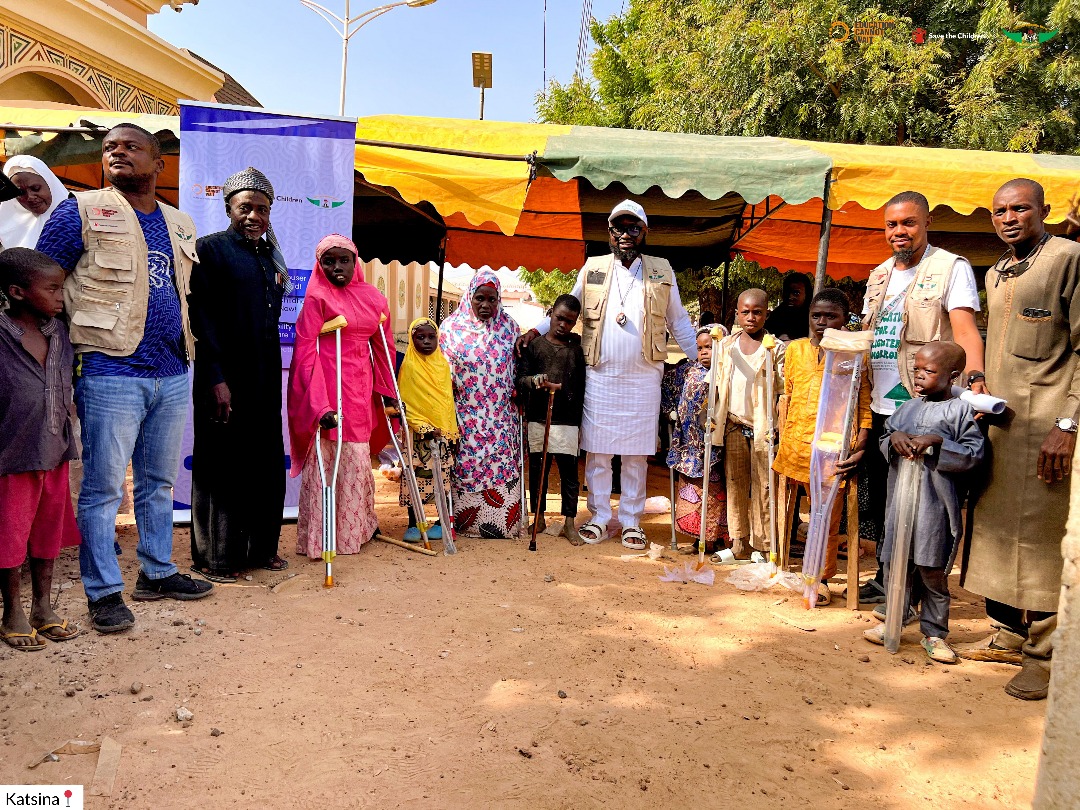
The ECW-FER project stands for Education Cannot Wait - Fund for Education in Refugee Situations. It aims to support kids hit hard by crises, like conflicts or poverty. In places like Nigeria, it zeros in on out-of-school children who need quick access to classes.
This fund started to fix gaps in emergency education. It provides cash and tools to groups on the ground. For learners with disabilities, it means real chances to catch up and thrive.
Nigeria has over 10 million kids out of school. Many face extra hurdles if they have disabilities. The project steps in to make sure no one gets left behind.
Nigerian schools often lack basics for disabled students. No ramps mean wheelchairs can't enter buildings. Textbooks without braille leave blind kids behind.
Trained teachers are few. Many don't know how to adapt lessons. Funding shortages make these issues worse in rural spots like Musawa.
Poverty adds layers. Families can't buy devices on their own. This cycle keeps many children home instead of learning.
Take a visually impaired girl. A braille display lets her read the same math problems as her friends. She finishes tests on time now.
For hearing challenges, FM systems cut background noise. A boy follows group talks without strain. These tools turn "can't" into "can."
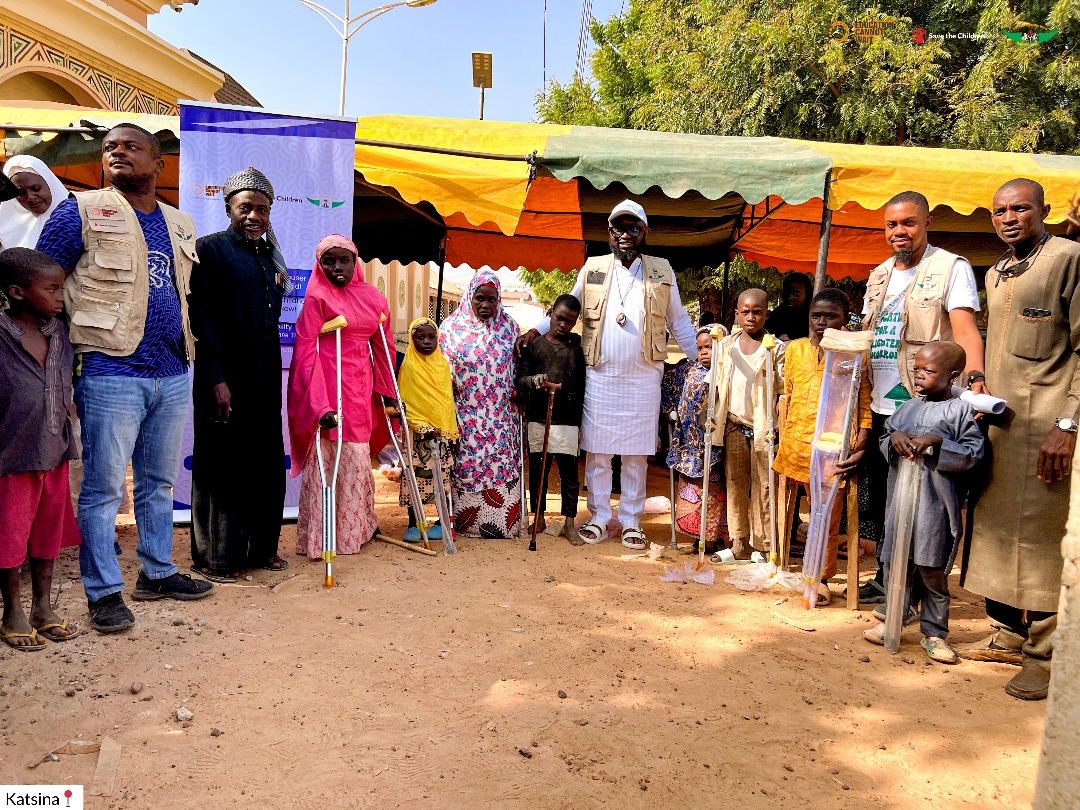
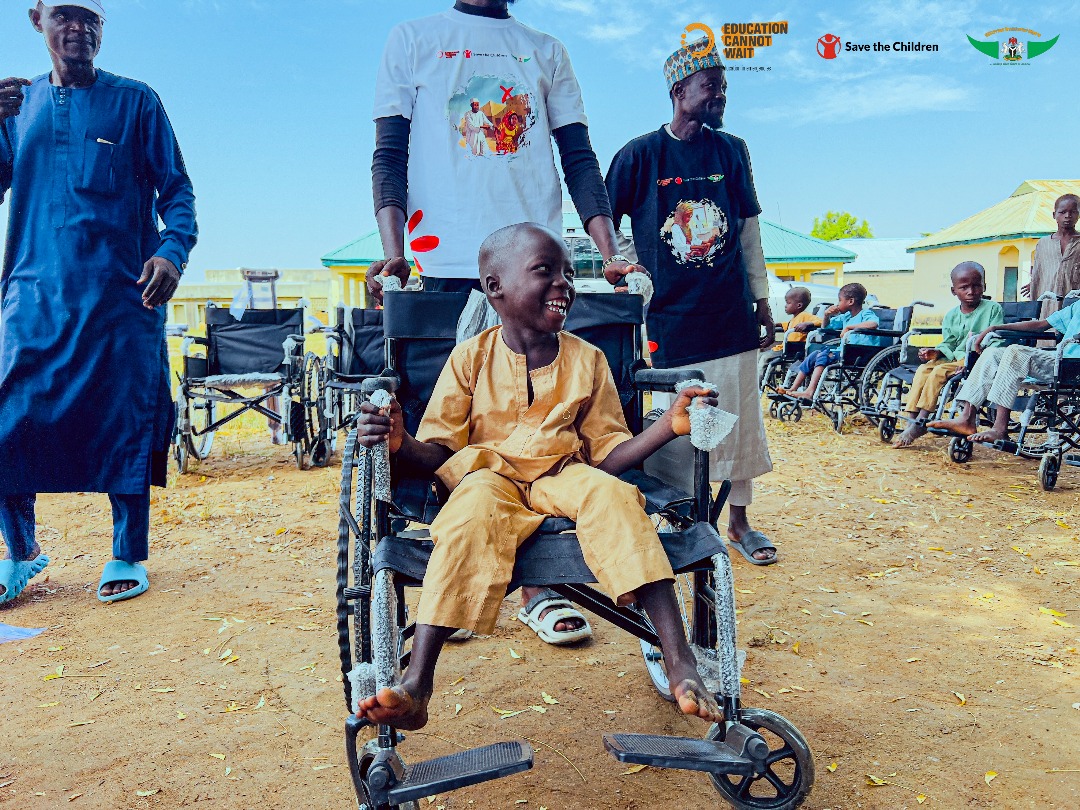
In Musawa, wheelchairs with custom seats help kids sit comfortably during long days. Simple changes like these open full participation.
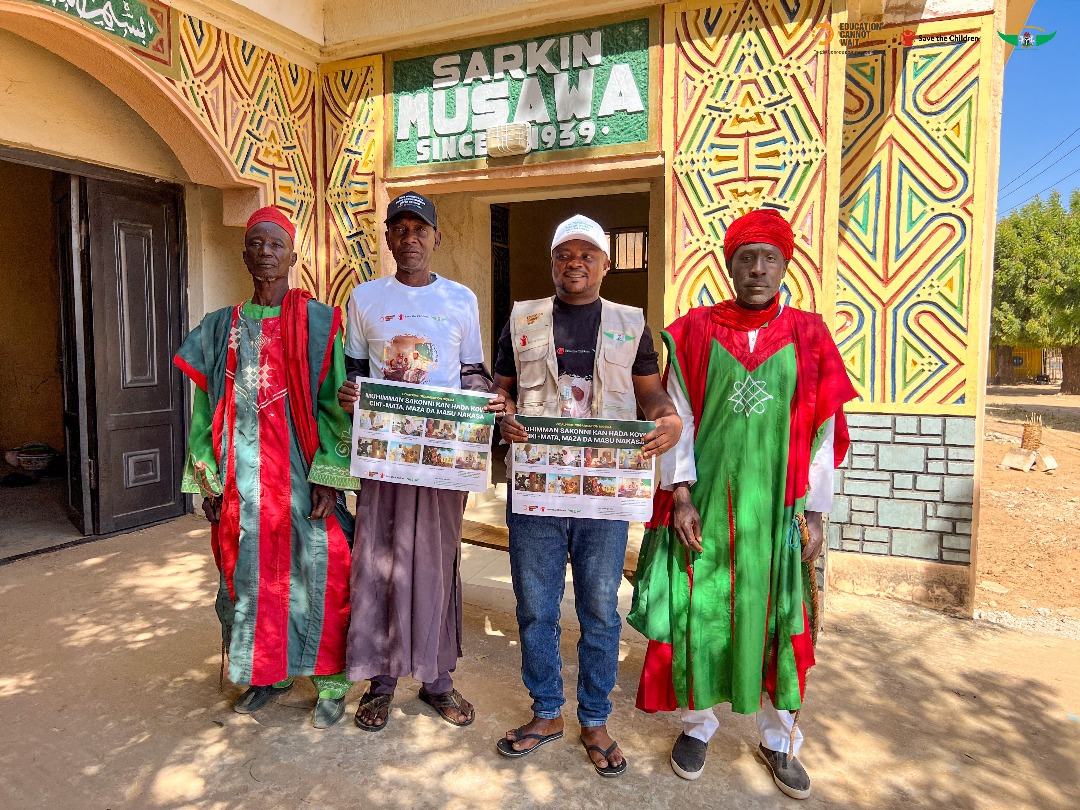
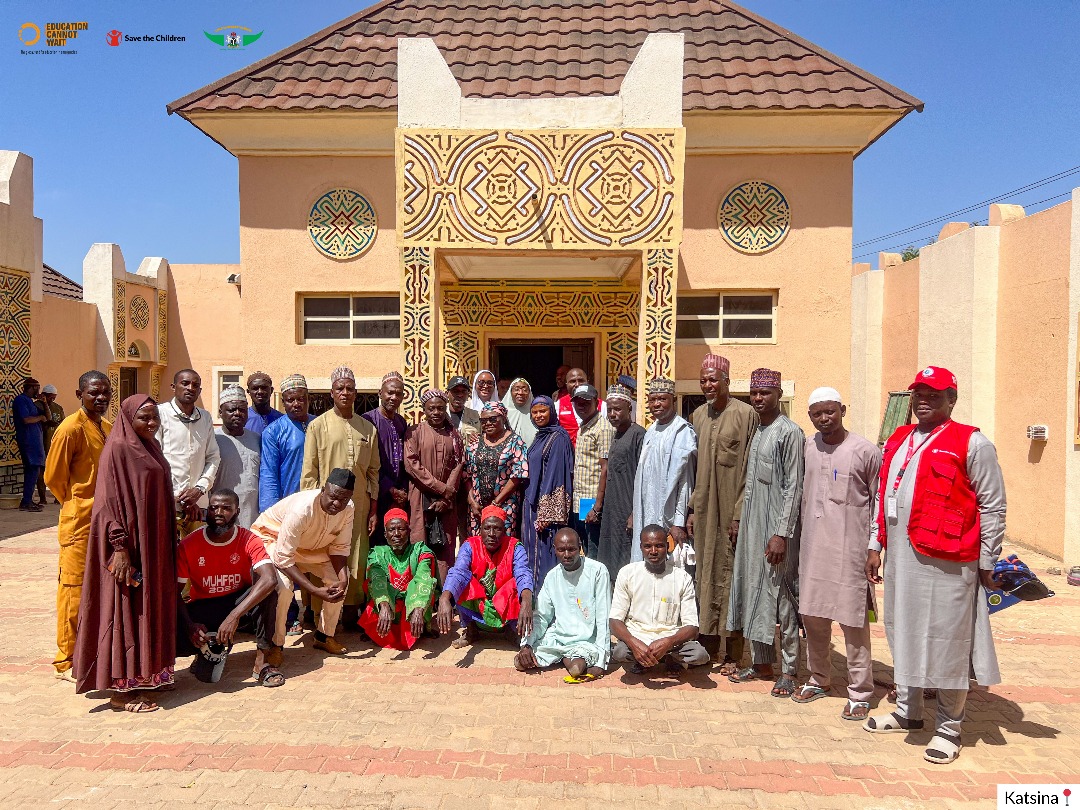
The Musawa milestone marks a win for kids with disabilities. Through GOALPrime's ECW-FER project, assistive devices reached those who needed them most. It tackles real barriers and sparks inclusion.
This event shows what happens when partners unite. Over 200 lives changed, with more to come. Education rights become real, not just words.
A Better Humanity is Possible!
HvuqJrDtOOnYgRpluzh
ydAVYrUtIWSByMWOfW
GTkBgrPgiwtZvlmJypimzqXX
DbYwbiVpupxQXqJQb